

Hail storms can leave homeowners unsure about what really happened to their roof. Sometimes the damage is obvious, but most of the time it isn’t. A roof can take dozens of hits without showing anything noticeable from the ground, yet those impacts may still weaken the shingles and shorten the roof’s lifespan.
That’s why so many people ask how many hail hits it actually takes before a roof needs to be replaced.
The truth is that there isn’t a single number that applies to every home. Roof age, shingle type, storm intensity, and the pattern of the hits all play a role in whether a repair or full replacement is needed.
If you’re trying to make sense of what happened after a storm, this guide will walk you through what matters most and when to call a professional for help.
Read on to understand how hail impacts a roof and how insurance companies decide when replacement is necessary.
Key Takeaways
- Hail damage weakens shingles gradually, so problems often appear months after the storm, not immediately.
- Insurance adjusters focus on consistent functional damage, not just isolated dents or scattered surface marks.
- Eight to ten hits in a test area often meet replacement guidelines, depending on shingle condition.
- Even small bruises can shorten roof lifespan by reducing protection against heat, moisture, and future storms.
- A professional inspection helps confirm hidden damage and provides documentation needed for successful insurance claims.
How Many Hail Hits Does It Take to Replace a Roof
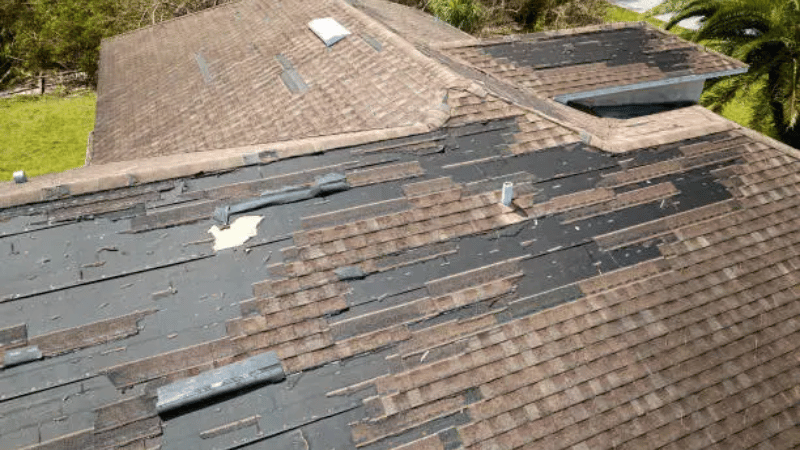
It typically takes 7 to 10 functional hail hits within a 10×10 foot “test square” for insurance to consider a full roof replacement, though this varies by carrier, roof age, pitch, and material. While some carriers need 8+ hits, others may approve replacement with 5+ on architectural shingles, focusing on overall damage, granule loss, and watertightness, not just count.
What Hail Damage Looks Like on a Roof
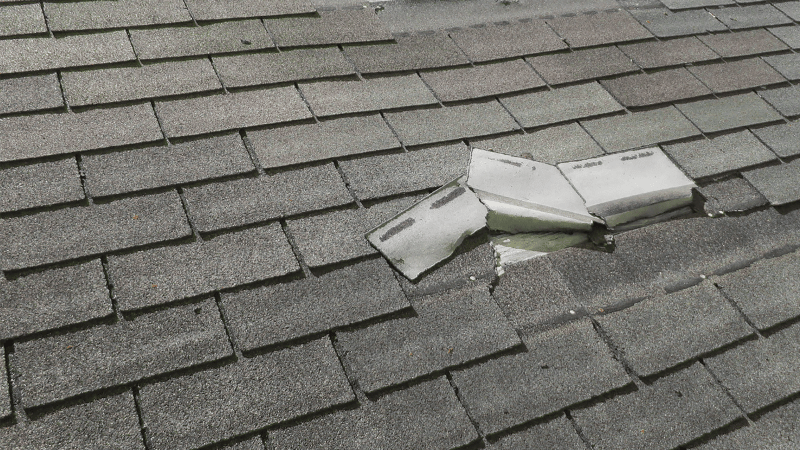
Hail damage can take many forms, and it isn’t always dramatic. Some roofs show clear cracks or broken shingles after a storm, while others only show subtle changes that develop into problems later. This is why a close inspection is so important.
Most homeowners first notice granules in gutters or dark circular spots on the shingles. Those marks often signal that the hail hit hard enough to loosen the surface layer. When granules fall away, the asphalt underneath becomes more vulnerable to heat, moisture, and future storms. Deep impacts can create bruises, which feel soft when pressed because the underlying shingle layer absorbed the force of the hit. Over time, those bruised areas break down faster and eventually allow water to enter.
Hail can also damage ridge caps, vents, and flashing. These raised or exposed parts of the roof often take stronger impacts, and even small dents can become weak points in future weather. While the roof may not leak right away, the structure gradually becomes less reliable, which is why hail damage requires prompt attention even when it seems minor.
How Insurance Companies Evaluate Hail Damage
Insurance companies follow specific guidelines to determine whether a roof should be repaired or replaced after a hailstorm. They do not base their decision on a single dent or isolated mark. Instead, they look for patterns that show the roof’s protective ability has been reduced.
Here are three things adjusters focus on during an inspection:
• How many hail hits appear inside a 10 by 10 foot test area
• Whether the damage is consistent across multiple sections of the roof
• Whether the hits created functional damage such as granule loss or bruising
Adjusters also consider the roof’s age. A newer roof with visible bruising or granule displacement is a strong indicator of storm damage because it hasn’t had enough time to wear down naturally. Older roofs may already have some wear, so the adjuster determines which marks were caused by hail and which were already present.
Weather reports from the day of the storm help complete the evaluation. The size of the hail, the duration of the storm, and the direction of the wind all explain why certain slopes show more damage than others. The goal is to confirm whether the roof can still protect the home the way it was designed to.
How Many Hail Hits Usually Require a Roof Replacement?
There isn’t a universal number, but many insurance companies use a general benchmark of eight to ten hits within a 10 by 10 foot test area. That said, the number alone isn’t what decides the outcome. What matters is whether those hits weakened the shingles enough to reduce the roof’s performance.
A roof can qualify for replacement with fewer hits if the damage is deeper or more severe. For example, a single slope with several bruised or fractured shingles may meet the criteria even if the total count is lower. On the other hand, a higher number of shallow, scattered marks may not qualify if the shingles are still performing well.
The key is functional damage. If the roof cannot shed water properly or has lost part of its protective surface, it is no longer working as intended. This is why a professional inspection from a licensed roofer is so valuable. A trained expert can identify the type of damage insurance companies consider meaningful and can document it clearly for your claim.
Why Even Minor Hail Damage Should Not Be Ignored
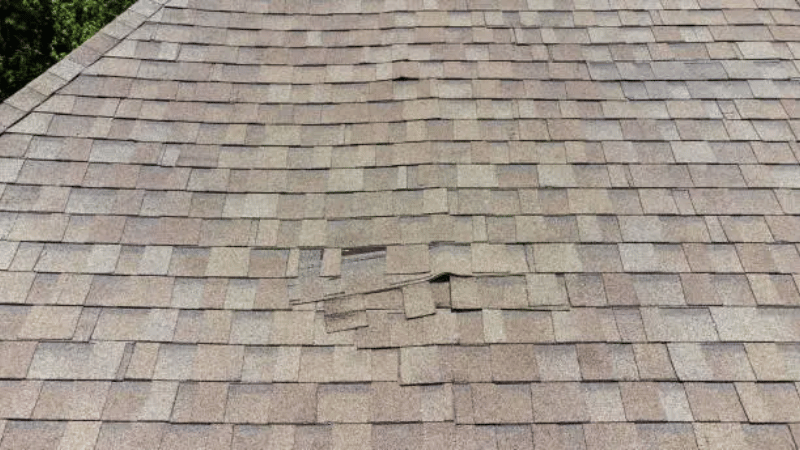
Hail damage rarely creates a leak immediately. Instead, the problem shows up gradually as the compromised shingles begin to age faster than the rest of the roof. Once granules fall off or the shingle surface is weakened, heat, sun exposure, and future storms begin to wear down those areas at a faster rate.
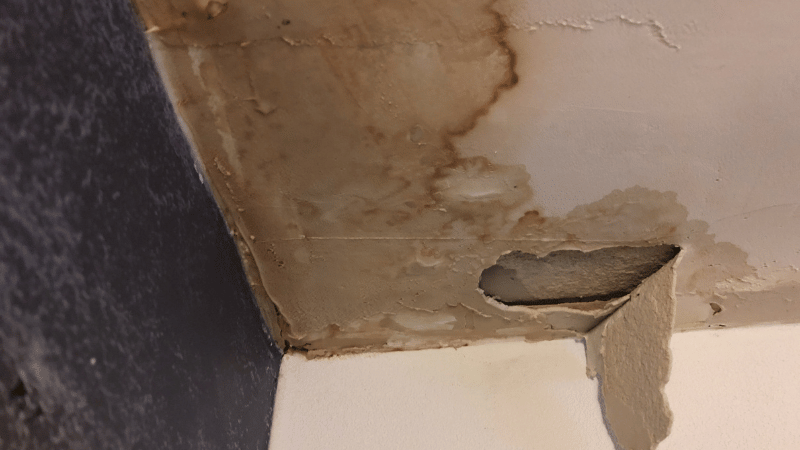
This leads to issues like premature shingle failure, moisture buildup, and eventually water entering the home. Even a small crack or dent can create a path for moisture, especially during heavy rain or snow. Ignoring the problem can shorten the lifespan of the roof and increase repair costs later. Addressing hail damage early protects both the roof and any warranties that may apply.
What a Professional Hail Damage Inspection Includes
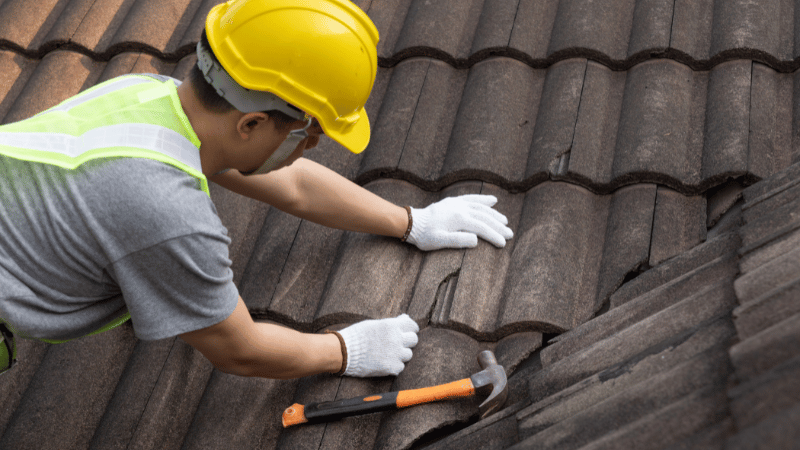
A proper inspection helps determine the true condition of your roof after a storm. Instead of relying on surface-level clues, a roofer checks the structure from multiple angles and looks for signs that the shingles or roof components were weakened.
An inspection typically includes:
- Checking shingles for bruising, cracks, and granule loss
- Examining vents, flashing, and ridge caps for dents or fractures
- Reviewing gutters and downspouts for granule buildup
Some roofers also check attic spaces for moisture or marks on the underside of the decking. A clear inspection report helps homeowners understand what was damaged and what remains in good condition, and it also provides helpful documentation if an insurance claim becomes necessary.
When to Call a Roofing Expert After a Hailstorm
If your home recently experienced hail, it is a good idea to schedule a roof inspection even if everything looks normal from the ground. Hail damage is often subtle, and the earliest signs usually appear in areas that homeowners do not check regularly. If neighbors are having inspections done, that is a useful sign that the storm may have caused widespread impact.
Granules in gutters, dents on metal surfaces, or visible marks on siding are also indicators that the roof took enough force to cause damage. High winds during the storm make the situation more concerning because wind-driven hail often hits with greater speed. Early inspection helps catch issues before they turn into leaks or larger repairs.
Final Thoughts
There is no single number of hail hits that automatically means a roof needs to be replaced, but patterns of functional damage play a big role in the decision. Even a few strong impacts can weaken shingles and affect how well the roof protects your home. The best way to understand the condition of your roof after a storm is through a professional inspection from a licensed roofing contractor.
If your area recently experienced hail, an inspection gives you a clear picture of what happened and helps you address any issues before they grow into bigger problems. It is a simple step that protects your home, your roof, and your peace of mind.
Frequently Asked Questions
Can hail damage be repaired without replacing the entire roof?
Yes. If the damage is limited to a small area, individual shingles can be replaced. A full roof replacement is recommended only when the impacts are widespread or when the shingles can no longer protect the home. A professional inspection helps determine which option makes more sense.
How long after a hailstorm can I file a roof insurance claim?
Most insurance carriers give homeowners up to one year to file a claim, but timelines vary. It is best to check your policy and schedule an inspection soon after the storm so the damage can be documented while it is still fresh.
Can hail damage affect the resale value of my home?
Yes. Unrepaired hail damage can raise concerns during inspections, reduce buyer confidence, and lower the home’s value. Having documentation that the roof was inspected or replaced after a storm helps protect your resale position.
Do impact-resistant shingles prevent hail damage completely?
Impact-resistant shingles perform better in storms, but they are not completely immune. They reduce the severity of damage and may lower repair needs over time. Even with these shingles, a strong storm can still leave marks or weaken certain areas.
Will a hail-damaged roof immediately start leaking?
Not always. Many leaks appear weeks or months later as the weakened shingles continue to deteriorate. This delay is why early inspection is important, even if no leaks are visible right away.