
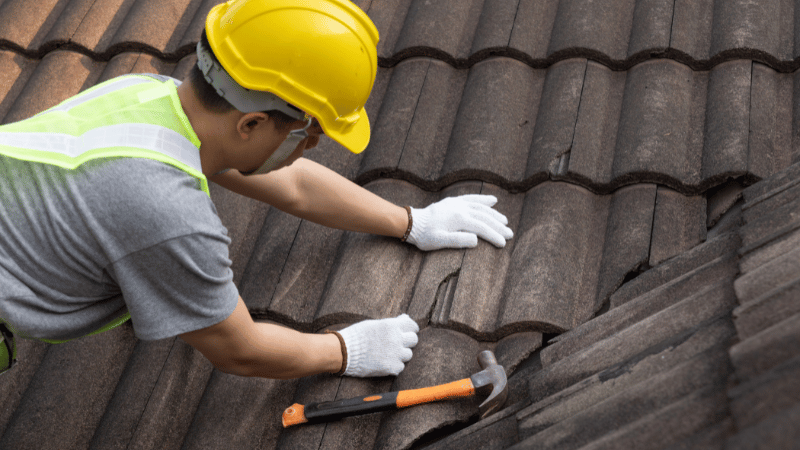
Replacing a roof is one of the biggest investments a homeowner makes, so it is natural to wonder what the average cost actually looks like. The price of a tear off and replacement can vary widely from home to home because every roof has its own size, slope, materials, and repair needs. Even two houses on the same street can have completely different costs depending on the roof design and its underlying condition.
Knowing what goes into the price helps you understand whether a quote is reasonable and why certain homes require more work than others. If you are preparing for a roofing project or comparing estimates, this guide will give you a clear breakdown of what affects the cost and what to expect from a full tear off and replacement. Read on to learn how roofing contractors build pricing and why investing in quality workmanship matters long term.
Key Takeaways
- Roof replacement costs vary based on roof size, materials, deck condition, and overall project complexity.
- Full tear off reveals hidden issues that would cause leaks if a second roofing layer was added.
- Larger or steeper roofs require more labor and materials, increasing the total project cost significantly.
- Premium shingles and upgraded ventilation improve long-term performance but also increase overall replacement costs.
- A professional inspection provides accurate pricing and helps homeowners understand the work their roof needs.
Average Cost to Tear Off and Replace a Roof
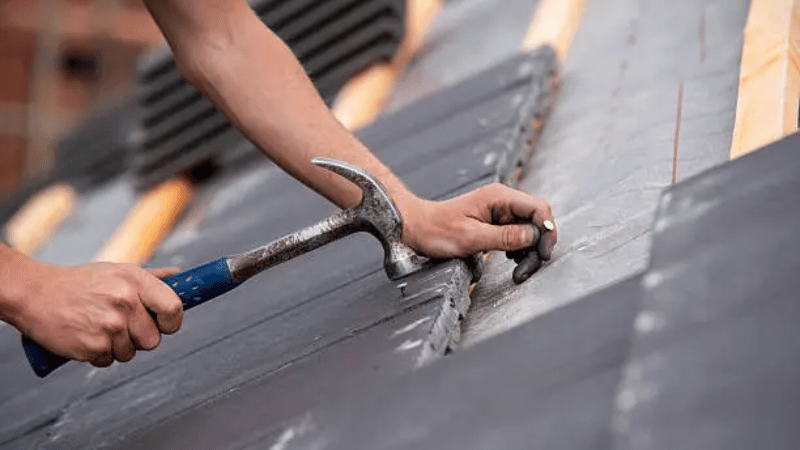
Tearing off and replacing a roof costs around $5,700 to $16,000+, averaging about $3 to $5 per square foot for basic asphalt shingles ($4,500-$7,500 for a 1,500 sq ft home) but can rise to $8-$20+ per square foot for premium materials like metal, tile, or slate, with higher costs for complex roofs, steep pitches, or needing new decking. Expect averages closer to $10,000 to $18,000 for many standard homes with architectural shingles.
What Homeowners Pay on Average
Roof replacement pricing varies between regions, but most homeowners fall within a predictable range. A typical tear off and replacement for an asphalt shingle roof usually lands in the mid to high five-figure range depending on roof size, materials, and the amount of structural work needed underneath the shingles. Smaller homes with simple roof designs fall on the lower end, while larger homes or roofs with multiple angles, dormers, and penetrations usually cost more.
It is also common for older roofs to require extra work once the shingles are removed. Issues such as rotted decking, inadequate ventilation, or improper installation from a previous job can affect the final price. Because of this, estimates often include a base cost plus potential adjustments depending on what is found during the tear off.
What Influences the Cost of a Tear Off and Replacement
The total cost of replacing a roof depends on several key factors. Understanding these details helps homeowners compare estimates and see why pricing can differ between homes.
The Size and Shape of the Roof
Larger roofs require more shingles, more labor, and more disposal costs. A roof with a steep pitch, multiple valleys, or complex architectural features also takes more time to work on, which increases labor needs. Homes with simple gable roofs are usually the most affordable to replace because they require fewer cuts and adjustments.
The Removal of Existing Layers
Some roofs have more than one layer of shingles. When a contractor needs to remove multiple layers, the job becomes more labor intensive and produces more debris. This increases both the labor time and the disposal cost. Homes with older roofs often fall into this category because previous installers may have added a new layer instead of performing a full tear off.
The Type of Shingles You Choose
Material choice is one of the biggest pricing differences. Asphalt shingles are the most common and cost effective, but even within this category, there are budget, standard, and premium architectural options. Metal roofing, cedar shakes, slate, and tile also fall into higher pricing ranges because of material weight, installation difficulty, and the structural reinforcements required.
The Condition of the Roof Deck
Once the shingles come off, contractors can see whether the wood decking is still solid. If the deck is soft, rotted, or damaged, sections must be replaced. This adds cost but ensures the new roof has a stable foundation. Decking repairs are common on older homes or roofs that have had long-term leaks or improper ventilation.
Ventilation and Underlayment
A full replacement includes new underlayment, ice and water barriers, and updated ventilation when needed. These components protect the home from moisture and help the shingles last longer. If your roof needs upgraded vents or additional airflow, the price will increase slightly, but the improvement in performance and lifespan often makes it worthwhile.
Average Price Ranges Most Homeowners See
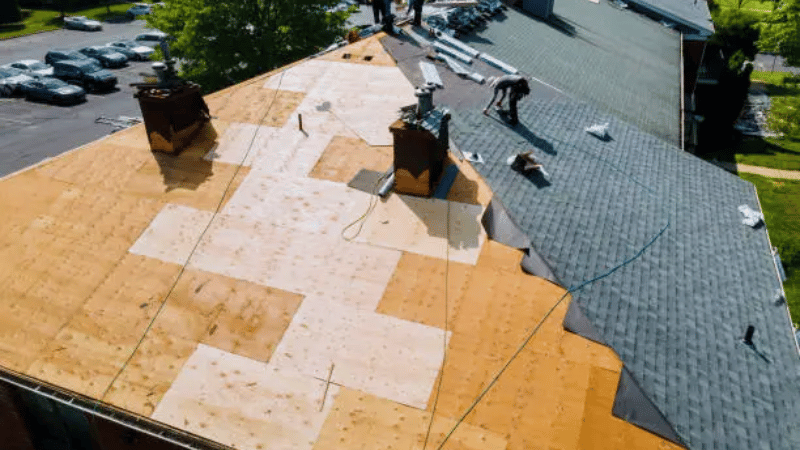
Although every home is different, most roof replacement projects fall into predictable ranges. Homeowners typically see these patterns:
- Smaller roofs with simple layouts and basic architectural shingles often cost on the lower end of the five-figure range.
- Medium-sized roofs with architectural shingles and standard ventilation upgrades fall into the mid-range pricing.
- Large roofs, steep designs, or premium materials such as metal or slate move into the higher end because installation requires more time, skill, and structural reinforcement.
A clear estimate will show the cost of labor, materials, tear off disposal, flashing, ventilation, underlayment, and any wood replacement. This transparency helps you understand where your budget is going and how each part of the roof contributes to the overall price.
What Is Included in a Full Tear Off and Replacement
A complete roof replacement is more than just laying new shingles. It involves removing everything down to the deck and rebuilding the roofing system correctly. This ensures the roof performs well in heavy rain, high winds, and seasonal temperature changes.
Here is what a full replacement typically includes:
- Removal of all existing shingles and roofing layers
- Inspection of decking and replacement of damaged wood
- Installation of ice and water barrier in vulnerable areas
- Synthetic underlayment applied across the roof
- New flashing, drip edge, and ventilation components
- Installation of new shingles based on the chosen material
This process gives your home a fresh start and ensures the entire roof system works together properly.
Is It Cheaper to Install a New Layer Instead of Tearing Off?
Adding a new layer on top of old shingles may seem cheaper, but it creates problems later. A second layer adds weight to the roof, traps heat, hides structural issues, and shortens the lifespan of the new shingles. More importantly, it prevents roofers from seeing what is happening underneath, which means leaks, damaged decking, or ventilation problems remain hidden.
A complete tear off costs more upfront but gives you a stronger, longer lasting roof and fewer issues in the future.
Why Investing in a Quality Replacement Matters
The price of a new roof can feel significant, but cutting corners often leads to more repairs, shorter material lifespan, and recurring leaks. A quality roof replacement uses proper underlayment, ventilation, flashing, and installation techniques to protect your home for decades.
Here are three reasons a higher quality installation pays off long term:
- Proper tear off reveals hidden problems that would cause leaks later.
- Premium materials and correct installation help the roof last longer.
- A complete system upgrade improves performance during storms and seasonal weather.
A well installed roof reduces long-term maintenance costs and provides better protection for your home.
Final Thoughts
The average cost to tear off and replace a roof depends on the size of the home, the materials chosen, the condition of the roof deck, and the complexity of the installation. Although prices vary, most homeowners fall within predictable ranges, especially when using standard asphalt shingles. A full replacement may feel like a big investment, but it ensures your home stays protected and prevents expensive issues in the future.
If your roof is aging, leaking, or showing signs of wear, scheduling a professional inspection is the first step. A clear estimate will help you understand your options and choose the right approach for your home.
Frequently Asked Questions
Does tearing off the old roof always cost more than adding a new layer?
Yes. A full tear off requires more labor and disposal, but it prevents long-term problems and allows contractors to inspect the decking. Adding a second layer hides damage and shortens the lifespan of the new shingles.
How long does a roof replacement usually take?
Most roofs can be torn off and replaced within one to three days, depending on size, pitch, and weather conditions. Larger or more complex roofs may take longer.
Will replacing my roof increase my home’s value?
Yes. A new roof improves curb appeal, enhances energy efficiency, and reduces concerns during home inspections. Buyers often place higher value on homes with recent roof replacements.
Do I need to replace the decking during a roof replacement?
Not always. Roofers replace decking only if it is soft, rotted, or visibly damaged during the tear off. If the wood is solid, it stays in place.
Should I replace my gutters at the same time as the roof?
It depends on their condition. If gutters are old, dented, or pulling away from the home, replacing them during the roof project can save time and reduce labor costs later.