
Key Takeaways
- Roofing lifespan varies by material, climate, installation quality, and maintenance, ranging from 15 years for asphalt to 100+ for slate.
- Warning signs like shingle damage, granule loss, sagging, and repeated leaks indicate a roof is nearing replacement.
- Repairs work for newer roofs with isolated issues, while aging roofs with widespread damage often require full replacement.
- Yearly inspections, clean gutters, proper ventilation, and quick repairs significantly extend roof life and prevent major damage.
How Often Should a Roof Be Replaced
A roof should be replaced when it reaches the end of its lifespan, which varies by material but generally falls between 15 and 100+ years. Asphalt shingles need replacement every 15-30 years, while tile and metal roofs can last 50 years or more. Factors like climate, roof installation quality, and maintenance also significantly affect roof longevity.
How Long Different Roofing Materials Typically Last
The lifespan of a roof varies widely depending on what it is made of. Some materials are designed to last decades, while others need earlier replacement. Here is what most homeowners can expect.
Asphalt Shingles
This is the most common roofing material in the United States. There are two main types.
Three-tab shingles
They usually last 15 to 20 years. They are thin, lightweight, and more affordable but wear out faster.
Architectural shingles
These thicker, reinforced shingles often last 25 to 30 years. They resist wind, temperature shifts, and heavy storms much better than standard shingles.
Metal Roofing
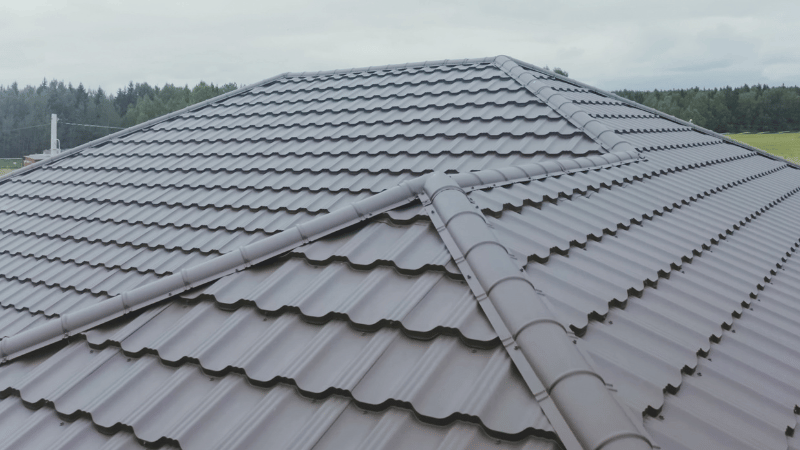
A properly installed metal roof can last 40 to 70 years. Its longevity depends on thickness, coating, and whether the panels are steel, aluminum, zinc, or copper. Metal stands up exceptionally well to harsh climates and is a strong choice for long-term durability.
Wood Shakes and Shingles
Wood roofs often last 20 to 30 years with good care. They require regular maintenance, including cleaning, sealing, and inspection. Moisture, moss, and insects can shorten their lifespan if not addressed promptly.
Clay or Concrete Tile
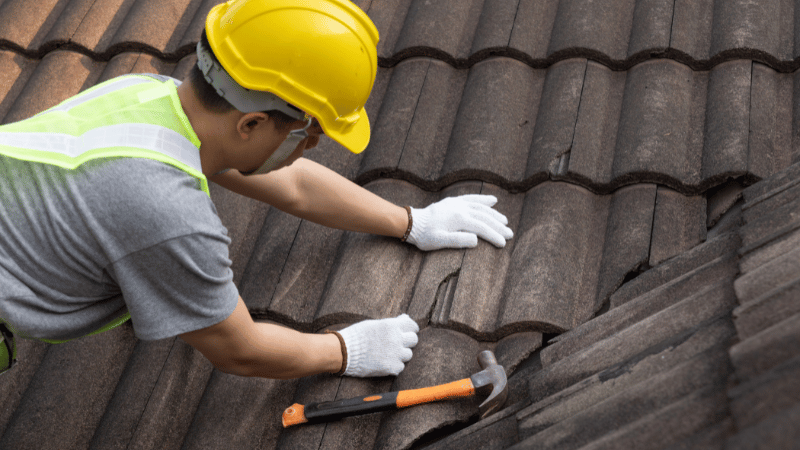
These heavy materials commonly last 50 years or more. The tiles themselves are long-lasting, but the roofing underlayment beneath them usually needs replacing every 20 to 30 years. Many homeowners replace the underlayment rather than the tiles.
Slate Roofing
Premium slate can last 75 to 100 years, and higher-end varieties may exceed 150 years. The limiting factor is often what lies beneath. Flashing, trusses, and underlayment wear out before the stone does.
Flat Roofing Systems
Materials like TPO, EPDM, and modified bitumen generally last 15 to 25 years. Their longevity depends heavily on installation quality, drainage, and maintenance.
Factors That Affect How Long a Roof Lasts
Even the best materials will not reach their full lifespan if the conditions around them are poor. Several elements influence roof life expectancy.
Climate and Weather
Roofs take daily punishment from the environment. Sun exposure dries out asphalt shingles. Winter freeze-thaw cycles loosen nails and widen small cracks. Heavy winds and storms lift shingles and damage flashing. Homes in regions with severe weather tend to need roof replacements sooner.
Ventilation in the Attic
A poorly ventilated attic overheats in summer and traps moisture in winter. Both conditions cause shingles to age faster. Proper airflow is essential for extending roof life.
Installation Quality
Even premium materials can fail early if installed poorly. Incorrect nail placement, inadequate flashing, or missing underlayment all create weak points. Quality craftsmanship has a direct impact on how long a roof lasts.
Maintenance and Inspections
A roof that never gets checked is more likely to develop hidden issues. Small repairs, such as tightening loose shingles or sealing exposed nails, prevent bigger problems from forming. Regular maintenance can extend a roof’s lifespan by several years.
Overhanging Trees
Branches that scrape shingles or drop debris across the roof increase wear. Moss and algae growth can also shorten the lifespan of certain materials.
Signs Your Roof May Need to Be Replaced Soon
A roof will give several warning signs before it fails completely. Catching them early helps prevent major interior damage and expensive emergency repairs. Here are some clear indicators that roof replacement may be approaching.
Shingle Damage
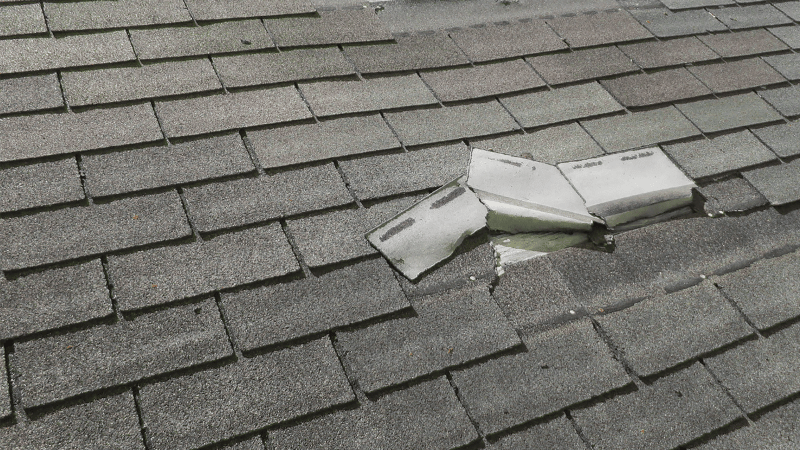
Missing, cracked, curling, or loose shingles reduce the roof’s ability to shed water. Extensive shingle damage often means the entire roof is aging.
Granule Loss
If gutters are full of shingle granules, the protective top layer is wearing away. This usually happens with older asphalt shingles nearing the end of their lifespan.
Frequent Leaks
A leak here and there is sometimes repairable. However, multiple leaks in different areas indicate that the roofing system is failing on a larger scale.
Sagging Roof Deck
Any section of the roof that sags or feels soft points to structural issues beneath the shingles. This requires immediate attention and often means replacement is necessary.
Aging Roof
If your roof is approaching its expected lifespan based on the material, replacement planning should begin even if no problems are visible yet.
Rising Energy Bills
A roof that no longer insulates effectively causes heating and cooling costs to climb. This can be a subtle sign that the roofing system is wearing out.
Water Stains or Mold in the Attic
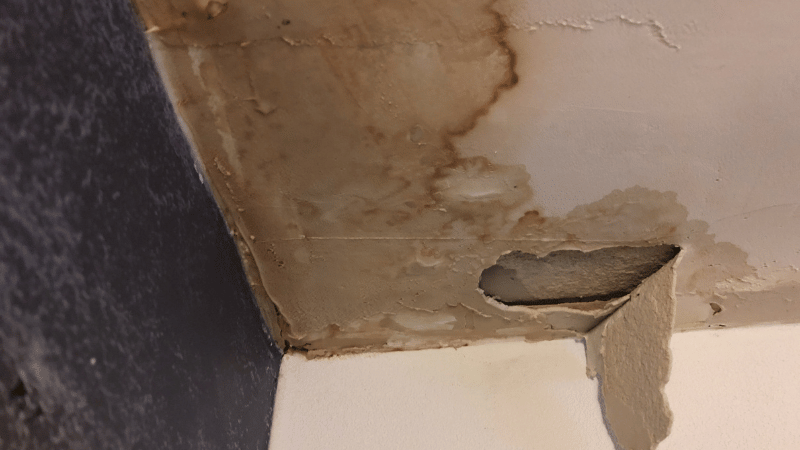
Moisture inside the attic shows that water is getting past the roof surface. This should be inspected quickly to determine the cause.
Roof Replacement vs Repairs: When to Choose Each Option
Not every issue requires replacing the entire roof. Sometimes targeted repairs are enough. The choice depends on the extent of the damage and the age of the roof.
When Repairs Make Sense
Repairs are a practical option when the damage is limited and the roof still has significant life remaining. Examples include:
• A small number of missing shingles
• Minor flashing damage
• A single leak that can be isolated
• Storm-related impact in one area
If the roof is under ten to fifteen years old, repairs are usually the more cost-effective approach.
When Replacement Is the Better Choice
There comes a point when repairs stop being useful. Replacement should be considered when:
• The roof is past its typical lifespan
• There are widespread shingle issues
• Leaks have occurred multiple times
• The decking underneath is compromised
• Granule loss is severe
• Mold or moisture issues continue returning
Replacing the roof early can prevent water damage to ceilings, walls, insulation, and the structural frame of the home.
How to Make Your Roof Last as Long as Possible
A few proactive steps can significantly extend the life of your roof, regardless of the material.
Schedule Yearly Inspections
Annual inspections help catch issues before they grow. Professional roofers look for loose shingles, weakened flashing, soft spots, and early signs of leaks.
Keep Gutters Clean
Clogged gutters cause water to back up beneath shingles. Keeping them clear protects both the roof and nearby siding.
Remove Debris
Branches, leaves, and moss trap moisture and wear down shingles. Keeping the roof clean reduces long-term damage.
Address Damage Quickly
A small repair made early is far cheaper than fixing the damage caused by long-term water intrusion.
Ensure Proper Attic Ventilation
Good airflow reduces heat buildup and moisture, helping roofing materials last longer.
Wrapping Up;
There is no single timeline for every home. The replacement schedule depends on the roofing material, climate, installation quality, and how well the roof has been maintained over time.
Most asphalt roofs in New Jersey need replacement between 20 and 30 years, while metal, tile, and slate last far longer. Paying attention to early warning signs helps you avoid costly repairs and plan your replacement at the right time.
Frequently Asked Questions
Can I replace only part of my roof instead of the whole thing?
Partial replacement is possible, but it is not always recommended. Color matching is difficult, and mixing old and new sections can shorten the overall lifespan. Full replacement is usually the better long-term investment when a roof is already aging.
How can I tell if my attic ventilation is affecting my roof life?
Signs include high attic temperatures, moisture buildup, musty smells, warped decking, or frequent ice dams in winter. A roofing professional can check airflow and recommend adjustments that help extend roof life.
Does replacing shingles without removing the old ones reduce longevity?
A second layer of shingles can trap heat and moisture, which shortens the lifespan of both layers. Tear offs generally last longer and allow hidden damage to be repaired before installing the new roof.
What time of year is best for a roof replacement?
Spring, summer, and early fall offer the most predictable conditions. Winter installations are possible but require specific materials and techniques to ensure proper adhesion and sealing.
Are manufacturer warranties and roof lifespan the same thing?
Not always. A shingle might have a 30 year warranty, but its actual lifespan depends on climate, installation quality, and maintenance. Warranties cover specific defects, not normal aging.