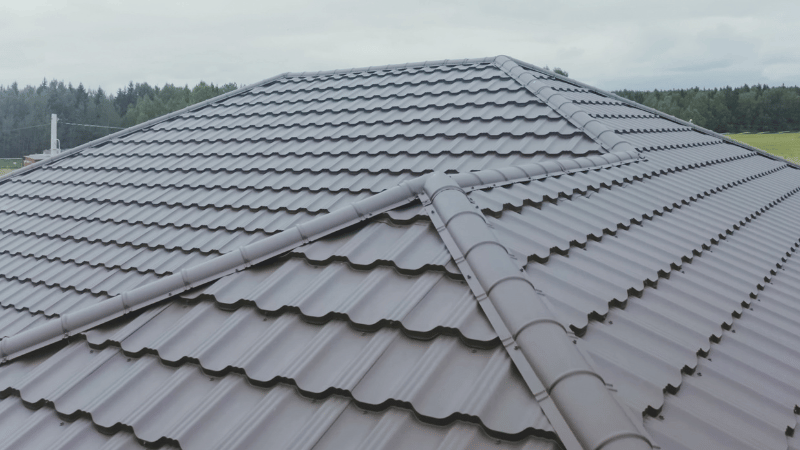
Choosing a new roof is a major decision, and many homeowners in New Jersey are starting to look at metal roofing as a serious upgrade. It lasts a long time, stands up to rough weather, and creates a clean, modern look.
At the same time, it is not perfect for every home, so it helps to understand both the strengths and the limitations before committing.
This guide walks you through the pros and cons in a conversational, clear way so you can decide whether a metal roof is right for your home.
Key Takeaways
- Metal roofing offers long lasting durability, strong weather protection, and reliable performance for New Jersey homeowners.
- Higher upfront costs make metal roofing harder for budget focused homeowners planning immediate roof replacements.
- Proper insulation reduces noise concerns and keeps metal roofing comfortable during storms and heavy rainfall.
- Reflective coatings help lower energy use by reducing attic heat gain during warm New Jersey summers.
- Professional installation is essential because metal roofing requires specialized skills to ensure long term performance.
The Pros and Cons of Metal Roofing
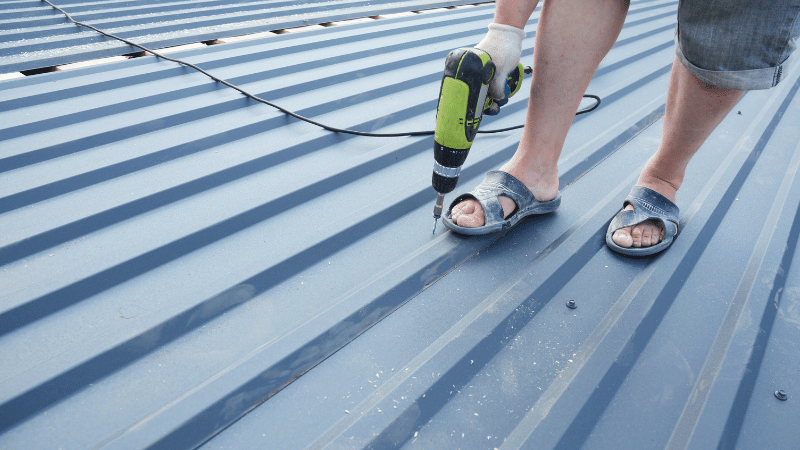
Metal roofs offer superior longevity (50+ years), energy efficiency, durability, fire resistance, and sustainability, but come with higher upfront costs, potential noise during rain/hail, and require specialized installation to manage thermal expansion and prevent dents, making them a long-term investment despite initial expense.
| Pros of Metal Roofing | Cons of Metal Roofing |
| Long lifespan that can reach fifty years or more | Higher initial cost than asphalt shingles |
| Excellent protection against heavy rain, wind, and snow | Noise may be noticeable without proper insulation |
| Reflective coatings reduce heat absorption and improve energy efficiency | Certain types of metal can dent during severe hail |
| Very low maintenance over the life of the roof | Requires installation by trained roofing professionals |
| Fire resistant and non combustible | Appearance may not match the style preferences of all homeowners |
Why Metal Roofing Has Become So Popular
Metal roofing used to be known only for barns and industrial buildings, but modern designs have changed that reputation. Today, homeowners choose metal because they want something reliable that can stay in great shape for decades.
A Roof That Stays Strong for Decades
If you want a roof that you can install and then forget about for a very long time, metal is one of the best choices available. Many metal roofing systems last fifty years or more. They resist cracking, warping, mold growth, and water damage. Once it is installed, you avoid many of the maintenance headaches that come with traditional asphalt shingles.
Better Protection During Harsh Weather
New Jersey gets a mix of everything. Heavy rain. Strong winds. Hot summers. Cold winters. A metal roof stays put through all of it. The panels lock together tightly, which helps prevent leaks and keeps your home protected even when storms get intense.
Energy Efficiency That Helps Your Home Stay Comfortable
One of the underrated benefits of metal roofing is how well it manages heat. Many panels are coated with reflective finishes that help bounce sunlight away. This keeps your attic cooler during the summer and reduces the strain on your HVAC system. Over the long term, that added efficiency can put money back in your pocket.
What Homeowners Should Consider Before Choosing Metal Roofing
Metal roofing is impressive, but it is not the perfect solution for every home. Understanding the potential drawbacks helps you make a confident decision.
The Upfront Cost Is Higher
Metal roofing requires a bigger investment at the start. The materials cost more and the installation takes more precision. Although the long lifespan often justifies the expense, it can still be a financial challenge if you need a roof replacement quickly or have a limited budget.
Noise Can Be a Concern Without Proper Insulation
Rain on a metal roof can create more sound than rain on asphalt shingles. In most modern installations, this issue is significantly reduced with solid decking and insulation. Still, it is something to think about if you prefer a very quiet home during storms.
Denting Is Possible in Certain Conditions
Metal roofing is strong, but certain types can dent if large hail strikes directly. Thicker metal panels handle impact better, so choosing the right grade of metal matters. Dents are not extremely common in New Jersey, but homeowners still want to be aware of the possibility.
Installation Requires Experienced Roofers
Metal roofing is not a material that just any installer can handle. It requires training, precision, and attention to detail. Poor installation can lead to leaks, poor energy performance, or reduced lifespan, so choosing a qualified contractor is essential.
When Metal Roofing Is a Great Fit
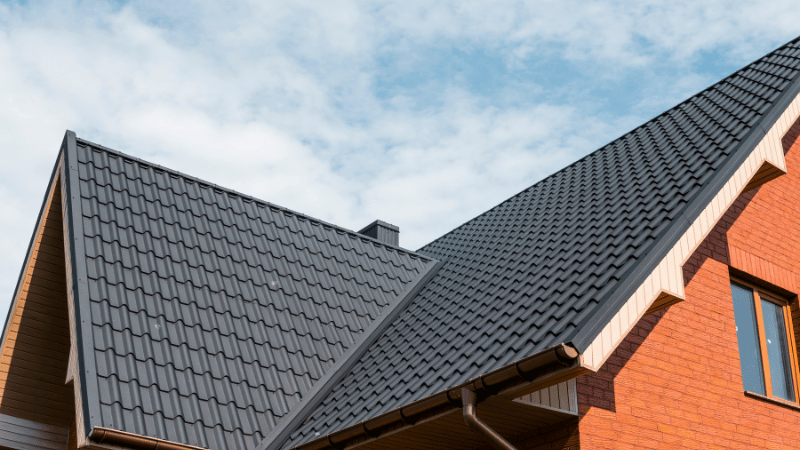
Metal roofing works well for many homes in New Jersey, especially those located in areas that experience strong winds and frequent storms. If long term value matters to you and you plan to stay in your home for many years, metal can be a smart investment.
Homeowners Who Value Longevity
If you want a roof that will not need to be replaced again anytime soon, metal is difficult to beat. Instead of thinking about a roof replacement every fifteen to twenty years, you can install a metal roof and enjoy peace of mind for decades.
Homes Exposed to Harsh Weather
Coastal winds, heavy snowfall, shifting temperatures. Metal roofing handles it all. It provides a level of resilience that asphalt shingles simply cannot match, which makes it ideal for homes that take the brunt of seasonal storms.
Those Looking to Lower Energy Costs
Energy efficiency is becoming more important every year. If you like the idea of reducing heat absorption during the summer and improving comfort inside your home, metal roofing helps you achieve that.
When You Might Prefer Asphalt Shingles
Metal is excellent, but there are situations where asphalt shingles make more sense.
Budget Considerations
If you need a roof replacement quickly or are working with a strict budget, asphalt shingles provide a more affordable option.
Traditional Neighborhood Appearance
Some homeowners and communities prefer a traditional look. While metal roofing is available in many styles, some people simply like the classic shingle appearance.
Wrapping Up
Metal roofing brings impressive durability, energy efficiency, and long term value to New Jersey homes. It stands strong during storms, requires little maintenance, and can last for half a century. Although the initial cost is higher and installation requires experienced roofers, many homeowners consider metal a worthwhile investment.
If you want guidance from a roofing team that understands how metal roofing performs in local weather, Royal Roofing and Exteriors can walk you through your options, explain pricing clearly, and help you choose the material that fits your goals and your budget.
FAQs
Can metal roofing be installed over my existing shingles
Yes. Many metal roofing systems can be installed over existing shingles, which reduces tear off costs and project time, but your roofer must first confirm decking condition and local building code requirements.
Does metal roofing attract lightning
No. Metal roofing does not increase the chance of lightning strikes. The material simply conducts electricity safely if lightning hits it, making it no more dangerous than any other residential roofing system.
Will a metal roof make my home harder to sell
Metal roofing often increases resale value because buyers appreciate long lifespan and low maintenance. Homes with metal roofs typically stand out positively, especially in markets where weather durability is a key concern.
How long does metal roofing installation usually take
Installation time depends on roof size and complexity, but most residential metal roofing projects finish within several days. Skilled crews work efficiently because panels cover large areas and reduce installation steps compared to shingles.
Can metal roofing work with solar panels
Yes. Metal roofing pairs well with solar systems. The long lifespan means panels will not outlast the roof, and the smooth installation process avoids unnecessary penetrations that could compromise long term roof integrity.