Key Takeaways
- Hiring the right roofer starts with checking licensing, insurance, and experience to ensure accountability, safety, and dependable workmanship.
- Asking about materials, warranties, and crew structure helps you understand quality standards and long-term protection for your roofing investment.
- A detailed written estimate, clear timeline, and cleanup process prevent misunderstandings and keep the entire project well-organised.
- Discussing storm-damage support, safety practices, and handling of unexpected issues ensures transparency and confidence throughout your roofing project.
Questions to Ask Your Roofer Before Hiring Them
Before hiring a roofer, ask about their licensing and insurance to ensure you are protected from liability. Inquire about their experience with similar projects, as well as their warranty, which should cover both workmanship and materials. Also, get a detailed, written estimate that outlines all costs, specifies materials, and provides a project timeline.
1. Are You Licensed and Insured?
This should be the first question every homeowner asks. A professional roofing contractor carries the proper state license, general liability insurance, and workers’ compensation coverage. These documents protect you from unexpected costs if an accident occurs on your property.
A contractor who cannot provide proof of licensing or insurance should never be considered, no matter how low their estimate may be. Verifying this information ensures that your project is handled by someone who meets state requirements and follows industry standards.
2. How Many Years of Experience Do You Have?
Experience matters in roofing because the job involves complex structural work and knowledge of local building codes. A contractor who has been roofing for many years has likely handled a wide variety of materials, roof designs, and climate-related challenges.
You are not only looking for total years in business. Ask how much experience they have with the specific service you need. Installing architectural shingles, repairing flat roofs, or replacing old flashing each require different skill sets. The more specialized the experience, the more reliable the results.
3. Do You Use Subcontractors or In-House Crews?
Many homeowners are surprised to learn that some roofing companies outsource labor to subcontractors. This can introduce problems such as inconsistent work quality, unclear accountability, or communication issues during the job.
A company that uses an in-house crew offers more predictable results because the employees are trained to meet the company’s standards. If subcontractors are used, ask how they are vetted, supervised, and insured. You deserve clarity about who will be working on your home and how they are managed.
4. What Roofing Materials Do You Recommend and Why?
A trustworthy roofer will explain the reasons behind their material recommendations based on your home, climate, and budget. They should provide comparisons of different shingles and underlayment options and explain the benefits of each.
For example, architectural shingles offer longer life spans and better wind resistance. Synthetic underlayment provides more durability than felt. Ice and water barriers protect vulnerable areas such as valleys and eaves. These details matter because material choices directly affect roof longevity, energy efficiency, and maintenance needs.
If a contractor cannot explain their material recommendations clearly, they may not be committed to building a long-lasting roofing system.
5. Can You Provide Recent References or Local Projects?
Reputable roofing companies should have a long list of satisfied clients who are willing to share their experiences. Ask for references from homeowners in your area or examples of jobs completed toward the high end of the quality range.
Checking references helps you understand how the roofer handles communication, scheduling, cleanliness, and follow-up service. It also confirms whether the workmanship meets expectations. Photos can be helpful, but nothing replaces speaking to a homeowner who recently worked with the contractor.
6. What Does Your Warranty Cover?
Warranty coverage can vary widely between roofing contractors. You should ask about two types of warranties: the manufacturer’s product warranty and the contractor’s workmanship warranty.
A workmanship warranty covers installation errors. A strong contractor will offer a clear, written workmanship guarantee because they stand behind their labor. Manufacturer warranties cover defects in roofing materials such as shingles, underlayment, or ventilation components.
Understanding both warranties protects you from surprise expenses and gives you confidence that your new roof is truly built to last.
7. How Long Will the Project Take?
Timelines matter, especially when roofing affects your home’s protection. Most roof replacements on standard residential homes take one to three days. Repair projects may take only a few hours.
Ask for a clear timeline that includes material delivery, installation, cleanup, and any necessary inspections. Contractors should also explain what happens if weather delays the project or if hidden damage is discovered after tear-off.
A roofer who provides a predictable schedule shows professionalism and respect for your time.
8. What Does Your Cleanup Process Include?
Cleanup is often overlooked during initial conversations, yet it plays a major role in customer satisfaction. Ask your roofer how they protect landscaping, how debris is handled, and whether they use magnetic sweepers to collect nails.
A professional contractor treats your property with care and leaves no mess behind. Cleanup is not an optional step. It is part of delivering a complete and responsible service.
9. Can You Explain the Full Cost Breakdown?
A detailed written estimate shows transparency and prevents future misunderstandings. Your estimate should include labor, tear-off, disposal fees, materials, underlayment, flashing, ventilation, and any incidentals.
If a roofer provides a vague or generic quote, you may be at risk for sudden add-on charges. You should understand exactly what you are paying for and why. Clear pricing protects both parties and builds trust.
10. How Do You Handle Unexpected Damage During Tear-Off?
Once old shingles are removed, roofers sometimes discover issues such as rotted decking, damaged rafters, or improper ventilation. A professional contractor should explain how they handle these discoveries.
Ask whether additional work will be discussed with you first and how change orders are priced. The goal is to avoid surprises and maintain control of your project budget.
11. Do You Assist With Insurance Claims for Storm Damage?
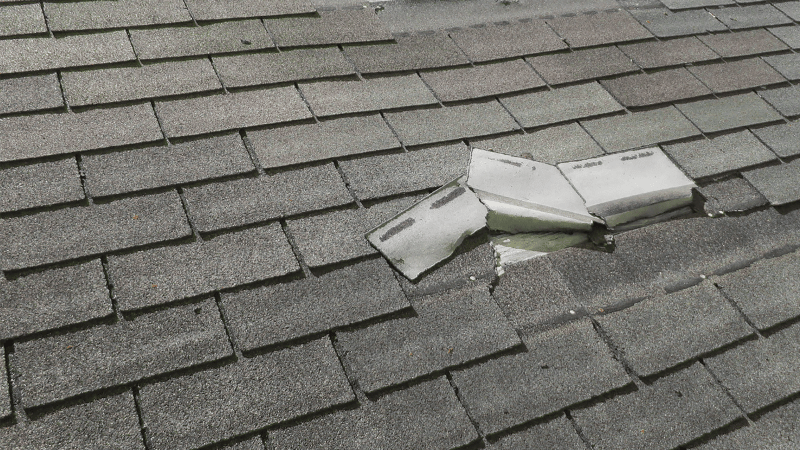
If your roof was damaged by hail, wind, or fallen debris, your roofer’s experience with insurance claims can make the process easier. Some contractors help document damage, meet with adjusters, and provide supplementary reports.
Ask what level of assistance the roofer provides and how familiar they are with the insurance claim process in your region. This can save you time and reduce stress if your roof damage is associated with a covered weather event.
12. What Safety Measures Does Your Crew Follow?
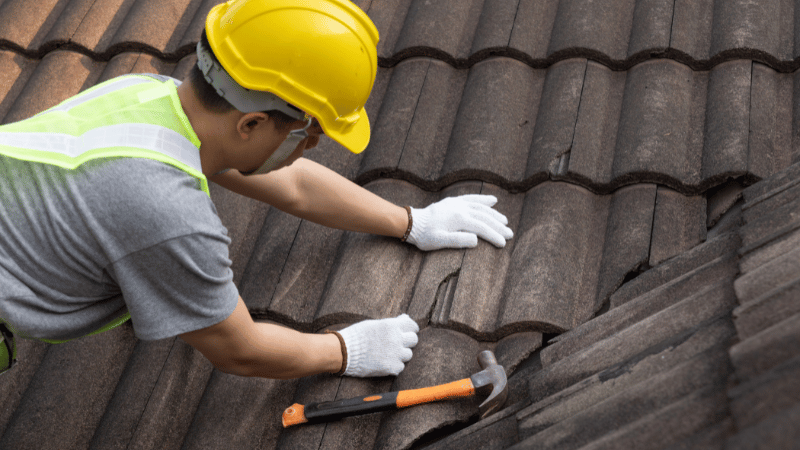
Roofing work involves significant risk. Professional contractors follow safety standards and provide their crews with proper equipment such as harnesses, protective gear, and ladders secured to OSHA guidelines.
Safety procedures benefit both the workers and the homeowner. If a contractor brushes off safety questions, that is a clear warning sign.
On A Final Note;
Asking the right questions is a crucial step toward hiring a roofer who delivers dependable results. These questions help you evaluate professionalism, communication, material quality, and overall value.
A reliable contractor will answer every question clearly and provide the documentation you need to feel confident about your decision. When a roofer is transparent, experienced, and committed to quality, your project will run smoothly and your home will stay protected for many years.
Frequently Asked Questions
Should I get multiple estimates before choosing a roofer?
Yes. Comparing several estimates helps you understand market pricing, material differences, and how each contractor communicates. It also helps you identify unusually low bids that may indicate shortcuts or lack of insurance.
Is it important for a roofer to inspect my attic before quoting the job?
Yes. A proper inspection includes evaluating attic ventilation, insulation levels, and potential moisture issues. Skipping the attic check can result in incomplete recommendations and roof systems that do not perform correctly.
How can I verify a roofer’s reputation?
Look for online reviews, ask for recent local references, and check their business licensing status. You can also ask for photos of completed projects and confirm how many years they have served your region.
What should a roofing contract include?
A contract should list the scope of work, materials used, warranty terms, payment schedule, cleanup responsibilities, and projected timeline. Everything that affects your roof should be documented clearly.
What is the best time of year to schedule a roofing project?
Late spring through early fall is ideal for most roofing work. However, many contractors operate year-round and can safely complete repairs or replacements in winter with proper planning and materials.