

A roof leak can start small, but it becomes a problem quickly once water begins reaching your attic, drywall, or ceilings. What makes leaks confusing is that the source is not always where the water shows up. Moisture can travel along rafters or nails before appearing inside the home, so the real issue may be several feet away from the visible drip or stain. That is why many homeowners feel uncertain about what is actually causing the leak and how serious it might be.
Most leaks come from straightforward issues such as worn shingles, flashing problems, clogged gutters, or aging roof materials. Other times, the leak is the result of storm damage or installation mistakes that take years to show up.
Understanding why leaks happen makes it easier to address them early, protect your home, and avoid larger repairs. Read on to learn the most common causes behind roof leaks and how to handle them effectively.
Key Takeaways
- Roof leaks often start from small issues like worn shingles or minor gaps that grow over time.
- Flashing problems around chimneys, skylights, and valleys are common leak sources that require proper sealing.
- Clogged gutters can force water under shingles and create leaks along exterior walls or ceilings.
- Storm damage may not show immediately, so hidden weaknesses can lead to delayed leaks inside the home.
- A professional inspection identifies the true source of the leak and prevents further structural damage.
Why Is My Roof Leaking?
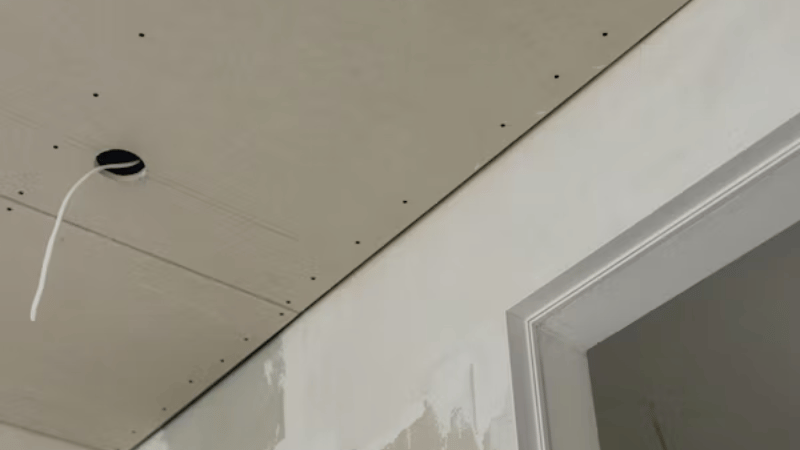
A roof leak is likely caused by damaged flashing, broken or missing shingles, or clogged gutters. Other common culprits include age-related wear, ice dams, and issues with roof penetrations like pipes, chimneys, and skylights.
Causes of Roof Leaks
Roof leaks start for many different reasons, and the source is not always obvious. These common causes explain why water makes its way inside and how the problem begins.
Worn or Aging Shingles
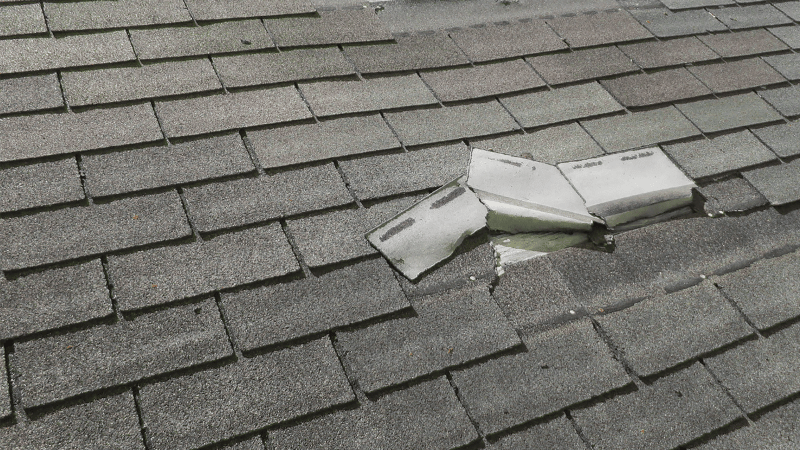
As shingles age, they lose granules, become brittle, and weaken from years of sun, heat, and cold weather. Once the surface layer breaks down, water can slip underneath and soak into the roof deck. Many leaks from aging shingles start slowly as small drips, then worsen over time as more sections of the roof begin to fail. If your roof is approaching the end of its lifespan, even a single cracked or curled shingle can create an opening for water.
Damaged or Improperly Installed Flashing
Flashing is the metal used around chimneys, skylights, valleys, and roof edges to keep water out of vulnerable areas. When flashing cracks, bends, lifts, or rusts, it allows water to enter easily. Poor installation can also cause gaps that eventually become leaks. Homeowners often notice this type of leak after storms or high winds because the movement of the shingles puts additional pressure on the flashing.
Clogged or Overflowing Gutters
Gutters help move water away from the roof. When they fill with debris, granules, or leaves, water begins to pool along the edges instead of flowing through the downspouts. That standing water can push under the shingles and saturate the roof deck. This issue becomes more common in homes surrounded by trees or when gutters have not been cleaned regularly. Over time, gutter overflow can lead to damaged fascia boards and leaks along exterior walls or ceilings.
Failed or Improper Roof Penetrations
Roof penetrations include vents, pipes, exhaust fans, satellite mounts, and skylights. These areas rely on seals or gaskets to keep water out. When those seals crack or loosen, water can move straight into the attic. Penetration leaks often start small and grow slowly, especially when warm air from inside the home speeds up deterioration around the openings.
Here are three common penetration problems homeowners notice:
- Pipe boots that crack or pull away from the pipe
- Vent covers that loosen or break during storms
- Skylight seals that separate from the frame and allow moisture inside
These issues can cause leaks even when the rest of the roof looks perfectly fine.
Roof Ventilation Problems
A roof needs balanced ventilation to let heat and moisture escape from the attic. When airflow is poor, warm air becomes trapped and forms condensation on cold surfaces. This moisture can drip into the attic and look exactly like a roof leak. Poor ventilation can also weaken shingles from underneath by exposing them to excessive heat. Homeowners often see these problems during hot summers or after adding insulation without improving ventilation.
Nail Pops and Minor Shingle Gaps
Nails can lift slightly as the roof expands and contracts throughout the year. When a nail rises, it creates a small gap where water can slip under the shingle. These gaps are difficult to see from the ground and usually require a close inspection. Nail pops are simple to repair when caught early, but if ignored, they can lead to slow leaks that become noticeable only after significant water damage has occurred.
Storm Damage You Did Not Notice
Storms can damage a roof even when the shingles appear intact. Wind can lift shingles enough to break the seal while allowing them to settle back down in place, leaving no obvious indication of a problem. Hail can create bruises or fine cracks that weaken the surface layer. Heavy rain combined with wind can push water into spots that normally stay dry. Because storm damage often begins quietly, leaks may not appear until weeks or months later.
Improper Roof Installation
If a roof was not installed correctly, leaks become far more likely as the system ages. Incorrect nail placement, missing underlayment, poorly aligned shingles, and improperly installed flashing are common installation-related issues. These problems may not show up immediately, but as the roof goes through seasonal changes, the weak points begin to fail. Improper installation often leads to leaks around roof transitions, penetrations, and valleys.
How to Tell if a Leak Is Serious
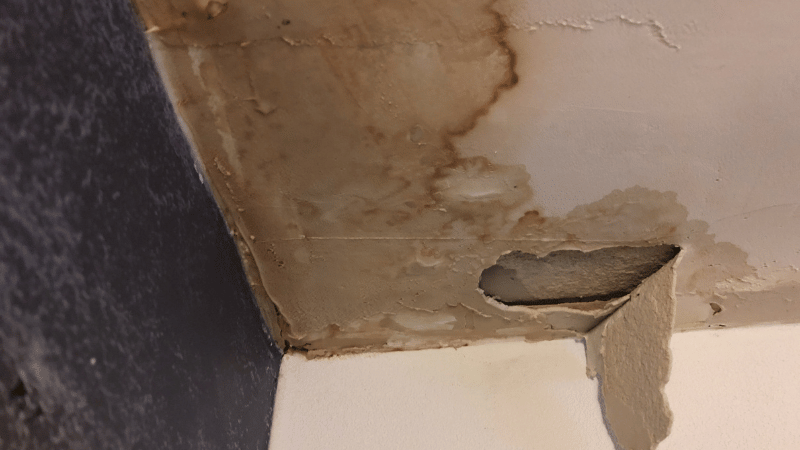
Some leaks are minor and easy to repair, while others indicate structural or long-term damage. Homeowners often see early signs such as water stains on ceilings, damp insulation, peeling paint near rooflines, or musty odors in the attic. If you notice any of these issues, a professional evaluation is recommended.
Here are three signs your leak needs immediate attention:
- Water actively dripping during rain or snow melt
- Sagging sections of ceiling or soft spots in drywall
- Mold or moisture spreading across attic framing
These symptoms suggest that the leak has been present for longer than you realized.
When to Call a Professional Roofer
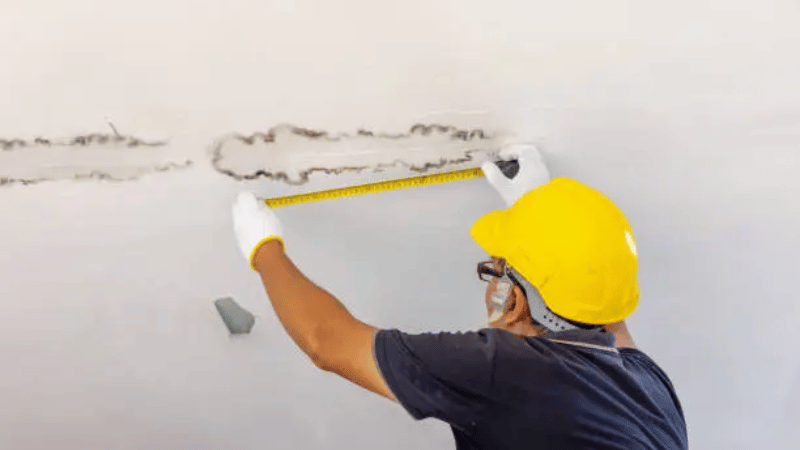
A roof leak rarely gets better on its own. Even slow leaks can cause significant damage if they continue over time. When you notice moisture inside the home or suspect damage after a storm, a professional inspection helps identify the source and prevent further deterioration. Roofers use tools and techniques that allow them to trace the leak to its true origin, even when the visible symptoms are far away from the actual entry point.
A licensed roofer can also determine whether the leak requires a simple repair or whether there are larger issues that need to be addressed. Early intervention protects your home, reduces long-term repair costs, and extends the life of your roof.
On A Final Note:
A leaking roof can come from many different sources, and the cause is not always easy to spot. Aging shingles, flashing problems, clogged gutters, roof penetrations, ventilation issues, and storm damage are some of the most common reasons water finds its way inside. Addressing leaks early prevents bigger problems, protects the structure of your home, and keeps repair costs manageable.
A professional inspection gives you a clear understanding of what is happening and ensures that the right repairs are made before the leak spreads. If you notice signs of moisture or suspect damage after a storm, reaching out to a roofing expert is the best next step.
Frequently Asked Questions
How do I know if my roof leak is an emergency?
A leak becomes an emergency when water is actively dripping during rain or if the ceiling begins to sag. These signs mean moisture has reached structural materials, and delaying repairs can cause expensive damage.
Can a small leak fix itself over time?
No. Even minor leaks tend to worsen because water continually weakens the materials it touches. Small leaks often turn into larger problems if they are not repaired promptly.
Why does my roof leak only during heavy rain?
Some leaks appear only when water pressure increases or when wind pushes rain into weak areas. This often means flashing, shingles, or roof penetrations have gaps that become exposed during strong storms.
Can attic condensation be mistaken for a roof leak?
Yes. Poor ventilation can cause moisture buildup that drips onto insulation or framing and looks like a leak. A professional inspection can determine whether the issue is from the roof or from trapped indoor moisture.
How long does it take a roofer to find the source of a leak?
Most inspections take one to two hours, depending on the roof’s condition. Roofers trace moisture paths, check known leak points, and evaluate components until they identify the cause.